Skip to Content

The Arc

Ideas and insights on the future of Community Justice.

Featured Update

All Updates

Filter by
75 Results
How We Change Justice

How We Change Justice

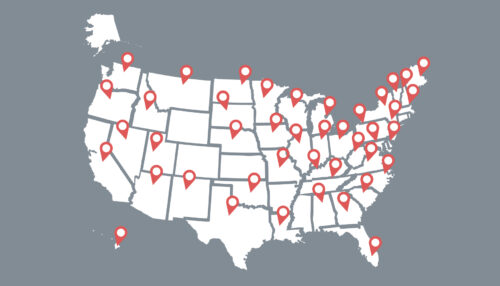
We've worked alongside communities in 42 states over the past year to change culture and practice in the justice system. 

Jun 24, 2019

Sample Documents

Sample Documents

Below are a number of sample documents—everything from consent forms and intake assessments to program descriptions and brochures—used every day by problem-solving initiatives around the country. These may be helpful for your program as guides or templates. If your program uses a tool that might be helpful to include on this list, please email expertassistance@courtinnovation.org.  Agendas – Problem-Solving ConferencesIdaho-2008 Drug and Mental Health Court Institute Agenda: Indiana Problem-Solving Courts Workshop 2008Charters and BylawsSeattle Municipal Court, Community Court CharterCompliance Tracking ToolsSouth Carolina Fourth Judicial Circuit, Community Service Time Sheet Community Engagement – Events FlyersSan Diego’s Beach Area Community Court, Planning Committee Meeting Flyer San Francisco Community Justice Center Kick-off Town Hall MeetingCommunity Engagement – Meeting AgendasSouth Carolina Fourth, Community Forum Agenda Judicial CircuitCommunity Engagement – Engaging VolunteersMidtown Community Court, Volunteer OpportunitiesSan Diego’s Beach Area Community Court, Volunteer ApplicationCommunity Engagement – Meeting ToolsSan Diego’s Beach Area Community Court Ambassadors Program, Meeting Notes (for keeping records of planning meetings)San Diego’s Beach Area Community Court Ambassadors Program, Venue List (for gathering information on possible meeting locations)Community Justice Strategic PlansTarrant County (Ft. Worth) TX Community Justice Strategic PlanCommunity SurveysLynchburg Community Court, Community SurveySan Francisco Community Justice Baseline Survey 2009San Francisco Community Justice Press ReleaseSouth Carolina Fourth Judicial Circuit, Community SurveyConsent FormsSouth Carolina Fourth Judicial Circuit, Victim Consent FormSouth Carolina Fourth Judicial Circuit, Officer’s Consent FormExpungement InformationSouth Carolina Fourth Judicial Circuit, Fact Sheet on Expunging Records“Good Neighbor” AgreementsSeattle, Sample Community Good Neighbor Agreement Intake AssessmentsBronx Community Solutions, Intake Assessment FormClackamas County Social Services, Community Court Intake/QuestionnaireLynchburg Community Court, Intake Assessment FormSouth Carolina Fourth Judicial Circuit, Pretrial Intake AssessmentLinkage Agreements/Memoranda of UnderstandingPima County AZ Juvenile Domestic Violence Project, Memorandum of AgreementCareSouth Carolina and South Carolina Fourth Judicial Circuit, Linkage AgreementSan Diego Downtown Community Court Pilot Program, Memorandum of UnderstandingNewslettersBronx Community Solutions, Fall 2009 NewsletterCommunity Justice Devon and Cornwall - December 2008 Hartford Community Court, Fall 2007 NewsletterPhiladelphia Community Court, Winter 2006-2007 NewsletterSan Diego’s Downtown Community Court, Inaugural NewsletterSeattle Community Court, Summer 2008 Newsletter Seattle Community Court, Summer 2009 Newsletter Operations ManualsDC Misdemeanor and Traffic Community Court, Program Manual of Policies and ProceduresEast of the River Community Court, Program Manual of Policies and ProceduresPhilladelphia's Community Court, Manual -- Table of ContentsPretrial NoticesSouth Carolina Fourth Judicial Circuit, Program Requirements Explanation FormSouth Carolina Fourth Judicial Circuit, Participant Account NoticeSouth Carolina Fourth Judicial Circuit, Delinquent Payment NoticeSouth Carolina Fourth Judicial Circuit, Termination NoticeProgram DescriptionsBronx Community SolutionsCommunity Prosecution in West Midlands, EnglandIndianapolis Community Court - Program Description FlyerMelbourne's Neighbourhood Justice CentrePhiladelphia Community Court, Program DescriptionPima County AZ Juvenile Domestic Violence Project, Program DescriptionSan Diego’s Beach Area Community Court, General Information Flyer San Diego Collaborative and Restorative Justice Court ProgramsSan Diego, Mid-City Community Court Mission Statement San Diego Serial Inebriate Seattle Community Court, Council BriefingSouth Carolina Fourth Judicial Circuit Chesterfield County Drug Court South Carolina Fourth Judicial Circuit Operation Community JusticeSouth Carolina Fourth Judicial Circuit Alcohol InterventionWashington DC's East of the River Community Court Washington DC's Misdemeanor and Traffic CourtProgram ReportsBronx Community Solutions, Annual ReportBronx Community Solutions, Quarterly Report San Diego’s Mid-City Community Court, Quarterly Report Fact SheetSeattle Community Court, Annual Report Referral FormsSouth Carolina Fourth Judicial Circuit, Pretrial Intervention Program Referral Form Survey ToolsSan Diego’s Beach Area Community Court, Survey Form for Community Impact PanelistsSan Diego’s Beach Area Community Court, Survey Form for OffendersSan Diego’s Beach Area Community Court, Summary of Survey of Community Impact Panelists Training CurriculaAtlanta Community Court - Police Training Curriculum

Apr 4, 2011

Community Justice 2016

Community Justice 2016

Last week, the Center for Court Innovation and the U.S. Department of Justice's Bureau of Justice Assistance convened Community Justice 2016, an international summit dedicated to improving safety, reducing the use of jail, and promoting trust in justice.

Apr 25, 2016

“Miracle on 54th Street”: Judge Rowan D. Wilson on the Midtown Community Justice Center

“Miracle on 54th Street”: Judge Rowan D. Wilson on the Midtown Community Justice Center

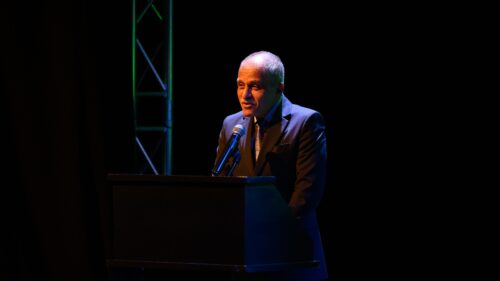
"The theme that runs through every part of Midtown's story is that it has always put compassion for the people and community it serves at the forefront." A speech from New York Chief Judge Rowan D. Wilson at the 30th anniversary celebration of our Midtown Community Justice Center.

Dec 18, 2023

Community Justice on the March

Community Justice on the March

Local and state jurisdictions can apply for no-cost assistance to implement a community justice project.

Dec 10, 2018

Community Prosecution in South Africa

Community Prosecution in South Africa

While South Africa is one of the most prosperous African countries, it also faces high crime rates. In response, the government has embarked on an ambitious, country-wide community justice program. Seventeen (soon to be 18) community courts are currently in operation around the country. Community policing strategies are being employed throughout the national police force. And, in 2006, the National Prosecuting Authority launched a community prosecution pilot program in each of the country’s nine provinces, in areas that together account for some of the highest crime levels in South Africa.       The nine sites were selected for their high crime rates or persistent levels of minor crime, as well as for their potential for social and economic development. If the model works at these diverse sites—two urban, six peri-urban (township), and one rural—it will work nearly anywhere in the country, justice officials believe. The approach is targeted and aggressive: prosecutors have been sent into each community to begin working on reducing and preventing local crime at the community level, and each site is being rigorously evaluated through data collection, questionnaires, workshop discussions, site observations, photographic documentation, and formal and informal interviews. “This is a very exciting initiative as we explore the role of the prosecutor in crime prevention and community justice,” says Shamila Batohi, Director of Public Prosecutions for KwaZulu-Natal province and the senior prosecutor responsible for coordinating the project. “We face enormous challenges in our beautiful country, but we are optimistic that the community prosecution initiative will help us move closer to the achievement of the National Prosecuting Authority’s vision: ‘Justice in our society so that people can live in freedom and security.’” According to researcher Richard Griggs of Independent Projects Trust, successes to date have been palpable. In Windsor East, for example—an urban area troubled by drug sales, organized crime, and transient populations—a joint operation between the community prosecutor and local police resulted in the arrests of 15 drug syndicate members. A number of illegal immigrants, whose presence in the community had led to a noticeable increase in criminal activity, have been arrested and deported. The arrests of dozens of other offenders have helped clean up Windsor: drug dealers who were previously visible have retreated from the streets, and it is no longer common for landlords to rent to illegal immigrants or for businesses to hire them. Community prosecution efforts have helped drive brothels out of the area, while negotiations with businesses and community members have brought the crime-ridden King’s Pub area, notorious for drug activity and wild behavior, under control. In another, very different example, community prosecutors have had some early success in the rural North West Kudumani, where cattle theft had been a significant problem. A major clamp-down on rustling in 2006 led to a significant reduction in cattle theft, which is now negligible in the area (previously up to 40 cases had been reported per day ). The community is no longer engaged in vigilantism, and proper facilities—including fenced grazing camps, branding, and veterinary services, all of which prevent cattle theft—are being developed. With the arrest of police members who were participating in livestock theft, police-community relations have improved. The community prosecution project is still being piloted and monitored. Any early findings discussed here are tentative observations pending the full evaluation that will be undertaken from mid-June 2007 and released by September. Due to these initial successes and the government’s commitment to reducing crime, justice officials are spreading the lessons learned from community prosecution. In February 2007, a two-day National Prosecuting Authority conference on Community Prosecution and Restorative Justice was held in Cape Town, with the audience consisting of the 250 most senior prosecutors in the country (with a spotlight on the nine community prosecutors). As results are gathered from around the country, researchers are examining a number of key questions, including what kind of models might fit any given location, and how community prosecution as it exists in South Africa, with its unique history and problems, can be defined in the present and shaped for the future. UPDATE: In March 2008, an extensive independent research report on the South African pilot sites was released. The report found that partnerships between community prosecutors, municipalities, local communities and police can significantly help reduce crime rates. To read more, click here.  

Mar 1, 2007

The Inequities of an Uncertain School Year

The Inequities of an Uncertain School Year

COVID-19’s toll has been immense—in human lives, in harm to communities, and in its impact on people’s livelihoods. 

Sep 22, 2020